Corporate Social Responsibility (CSR)

PLN Indonesia Power views local communities as one of the important elements in the company's sustainability strategy. A harmonious relationship with the community is not only a form of social responsibility but also a long-term investment to support business sustainability. Therefore, the company is committed to meeting the social, economic, environmental, and governance needs of local communities, while ensuring that its operational activities do not harm the community or the surrounding environment. 

In line with the company's vision "To be a leading and sustainable power company in Southeast Asia and Beyond", PLN Indonesia Power is committed to building strong partnerships with local communities in the form of Community Involvement and Development (CID) by focusing on achieving the Sustainable Development Goals (SDGs).

PRINCIPLES OF SOCIAL AND ENVIRONMENTAL RESPONSIBILITY PROGRAM (TJSL)

Implementation of the TJSL program by applying the following principles:

  1. Integrated, namely based on risk analysis and business processes that are related to stakeholders;
  2. Directed, namely having a clear direction to achieve the company's goals;
  3. Measurable impact, namely having a contribution and providing benefits that result in changes or added value for stakeholders and the company; and
  4. Accountability, which can be accounted for to avoid potential misuse and deviation. 

COMMUNITY DEVELOPMENT- PLN INDONESIA POWER CARES

The implementation of the CID program of PLN Indonesia Power on the pillars of Social, Economic, Environmental, and Governance can be explained as follows:

  1. Social, realizing the achievement of the fulfillment of basic human rights that are equal to improve the welfare and quality of life of the community
  2. Economy, realizing the achievement of quality economic growth through sustainable employment and business opportunities, innovation, industry, adequate infrastructure, and development of MSEs, and opening up employment opportunities for the community
  3. Environment, realizing a sustainable environment as an ecosystem supporting all life
  4. Governance, realizing company activities that include policies, standards, culture, disclosure of information, and other management processes are carried out properly and sustainably.

PLN Indonesia Power's commitment to implementing community development is stated in the internal policy on the Community and Community Contribution Program (Community Involvement and Development) of PT PLN Indonesia Power. The SOP contains several initiative steps and efforts taken by PLN to implement the CID program with measurable impacts.
Program CSR Unggulan

JULANG EMAS (Jaga Gunung Ungaran, Lestarikan Lingkungan Bersama Masyarakat)  Di Desa Ngesrep Balong, Kec Limbangan Kendal PT PLN Indonesia Power UBP Semarang
JULANG EMAS (Jaga Gunung Ungaran, Lestarikan Lingkungan Bersama Masyarakat) Di Desa Ngesrep Balong, Kec Limbangan Kendal PT PLN Indonesia Power UBP Semarang

Community empowerment activities through the environmental conservation program in the Gunung Ungaran area in Ngesrepbalong Village, Limbangan District, Kendal Regency, Central Java. The climate crisis and wildlife poaching have caused various environmental problems. The JULANG EMAS program aims to build conservation management and new renewable energy that impacts the economy by involving cross-village groups. This program contributes to a reduction in emissions of 9.125 tons of CO2 per year from the use of waste for micro-hydro power plants (PLTMH). The use of PLTMH reduces greenhouse gas potential by 1,483.32 tons per year. There is a poverty reduction of 37.29%. It contributes to SDGs 1, 2, 5, 6, 7, 8, 11, 12, 13, and 15.

BIMA LUKAR (Bina Mandiri Pemulihan Lahan Melalui Produk Pupuk Berbahan Organik) PT PLN Indonesia Power UBP Mrica PB Soedirman

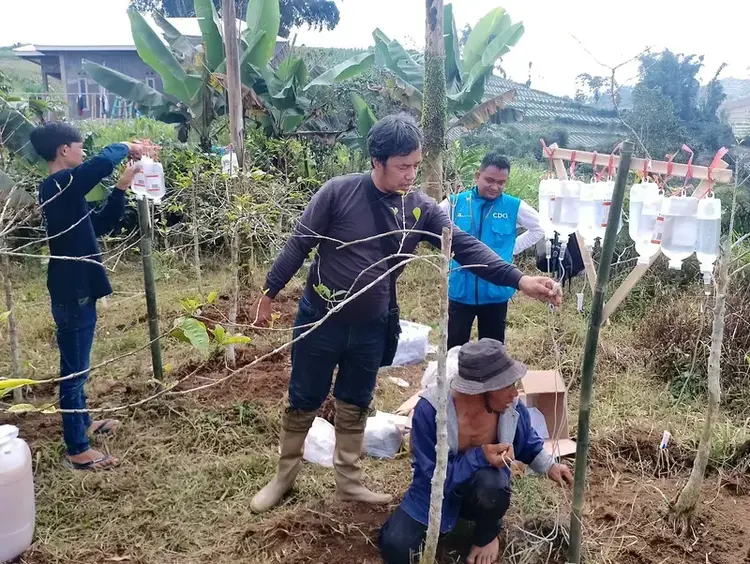
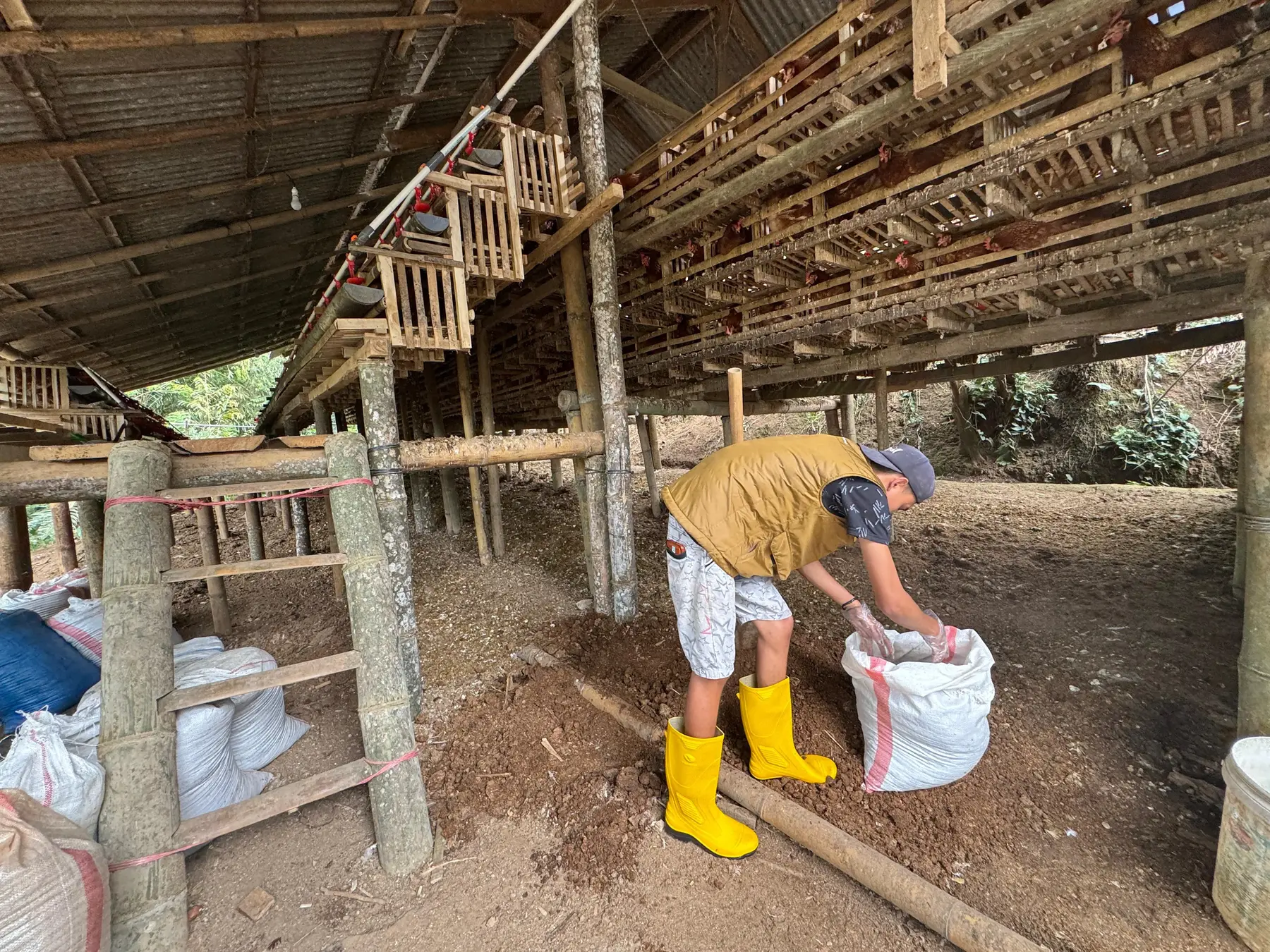
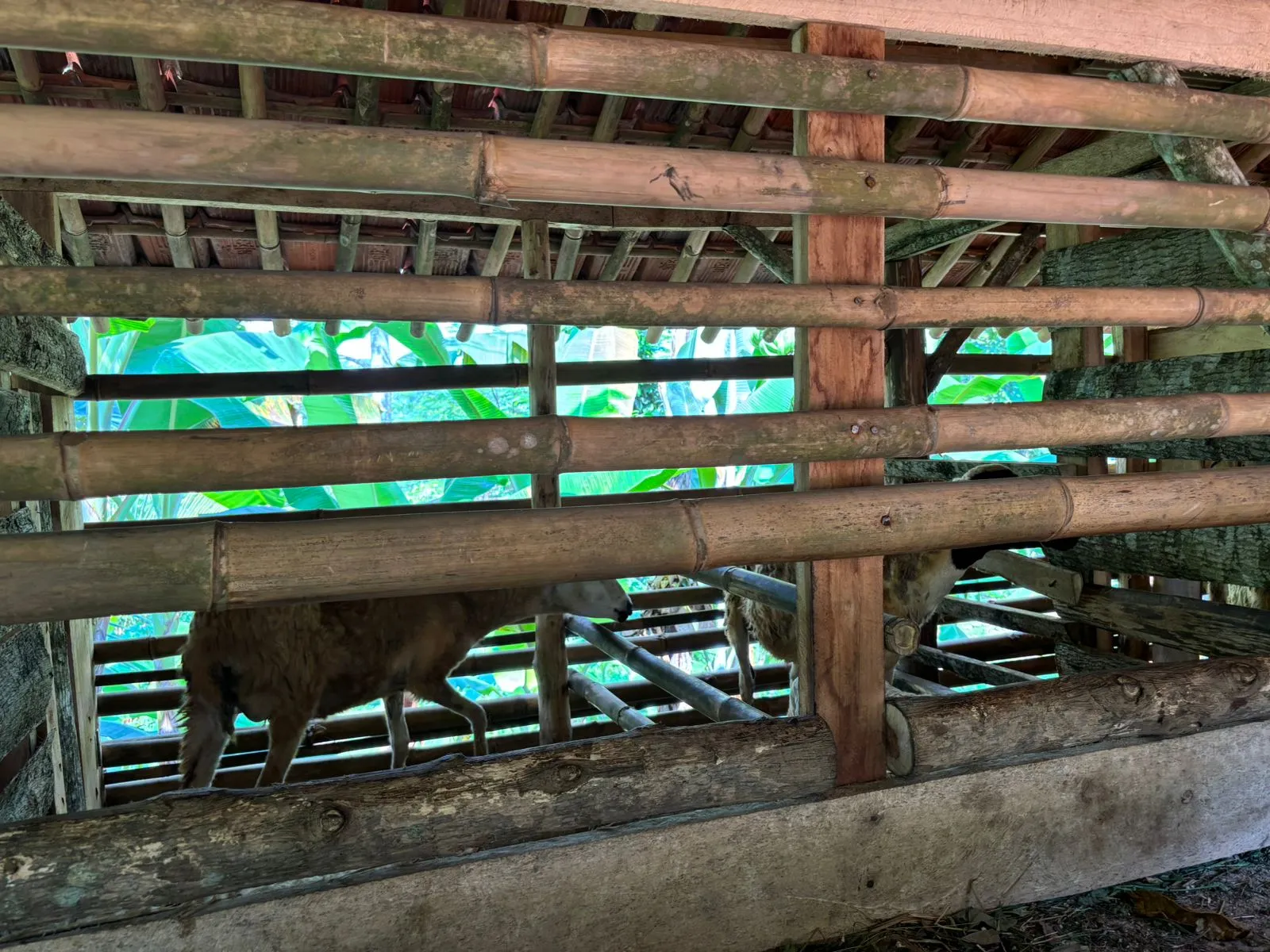
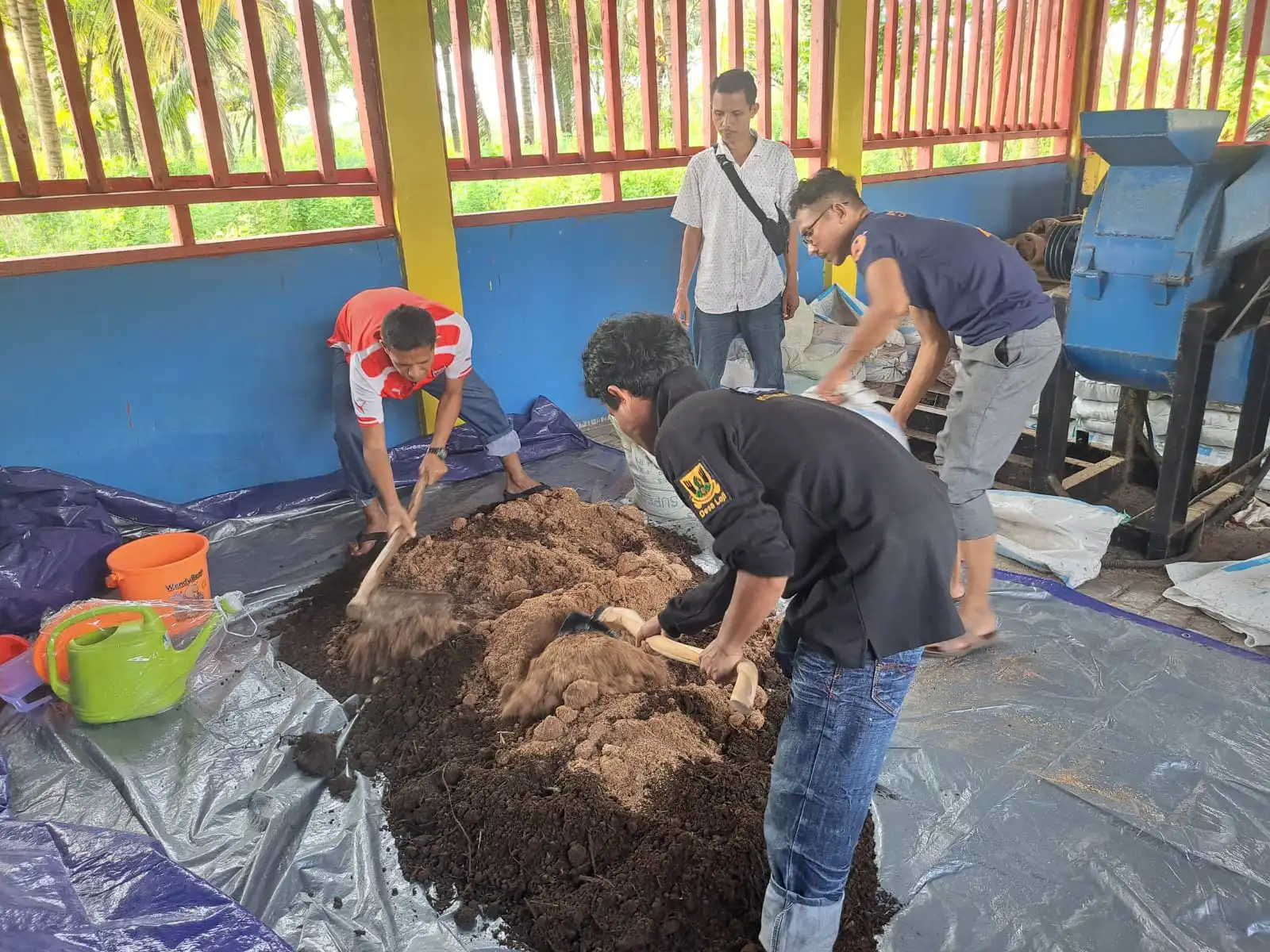
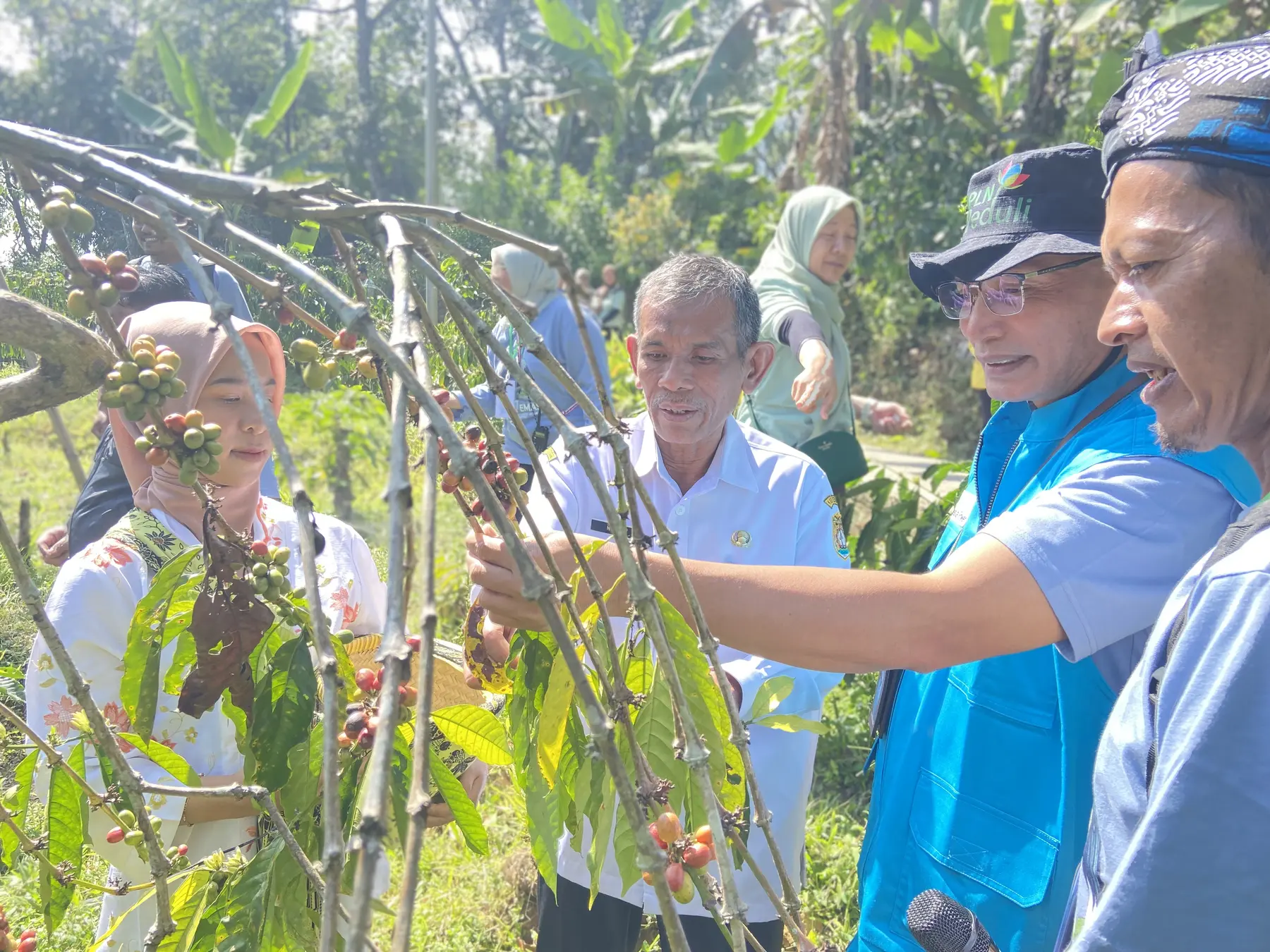
The BIMA LUKAR Program is a continuation of the SERAYU ASRI Program, which successfully integrated agriculture and livestock farming. BIMA LUKAR serves as a support system for the integrated agriculture initiative by introducing innovations such as nutrient injection for crops and the establishment of an organic nutrient production house. The main goal of the BIMA LUKAR Program is to address sedimentation in the upstream area of the Serayu watershed while ensuring agricultural sustainability and farmer self-reliance in Pegundungan Village. The program is implemented through seven key aspects: environmental conservation, coffee farming, dairy goat farming, the support system of the organic nutrient production house, coffee product marketing, farmer capacity building, and stunting prevention.

BUMI PASUNDAN (Bangun Ekonomi Masyarakat Melalui Pengelolaan Sumber Daya Terbarukan) Di Waduk Saguling, Kab. Bandung Barat, Provinsi Jawa Barat PLTA Saguling

The Bumi Pasundan program empowers 207 community members by involving 3,155 people to process and utilize waste from the Citarum River, thereby generating economic value. The positive impact on the operational sustainability of the Saguling Hydroelectric Power Plant (PLTA) can extend its lifespan from 2048 to 2084. The reservoir's service life increases by 36 years, contributing green energy of up to 86,449.68 GWh. It contributes to SDGs 1, 4, 8, 11, and 13.

PELITA BERSAMA (Kabupaten Garut, Jawa Barat) UNIT PLTP KAMOJANG-DARAJAT

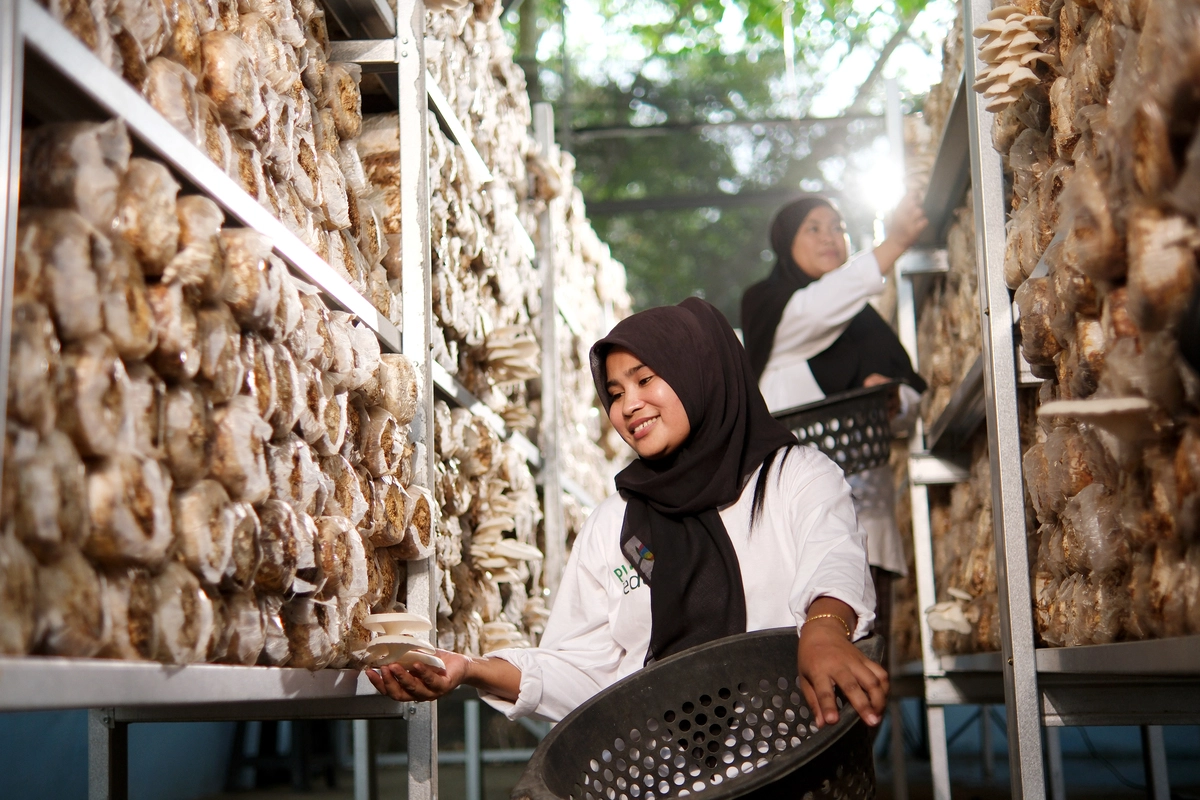
Pelita Bersama is a comprehensive program for empowering people with disabilities in Garut Regency to escape poverty and gain employment, allowing them to be creative, prosperous, and independent by developing their potential. Pelita Bersama consists of sub-programs such as the cultivation of disability-friendly smart mushrooms, the production of prosthetics (assistive devices for disabilities), bioherb technology mushroom cultivation from mushroom waste, and the 'Si Modis' electric motor conversion workshop for individuals with disabilities. Through the implementation of the Pelita Bersama program, it is hoped that it can support and advocate for the government to protect and fulfill the rights of vulnerable communities with disabilities in Garut Regency. In addition to its socio-economic impact, Pelita Bersama also contributes to environmental preservation through its electric motor conversion innovations and the utilization of baglog waste into bioherbs, resulting in a total reduction of greenhouse gases of 83 tons CO2eq per year. Furthermore, in terms of SDGs, this program contributes to SDGs 8, 10, and 11. The achievement percentage of the Pelita Bersama program against the SDGs Indicator (8.5.2) is 0.000021%.

MAENGKET (Maju Sejahterakan Keluarga Melalui Usaha Komposting dan Pertanian) Di Kelurahan Tondangow dan Kelurahan Pangolombian, Kota Tomohon, Provinsi Sulawesi Utara PLTP Lahendong

This program integrates waste management transformation, composting, UMKM development, agriculture, and livestock activities—which were previously separate—into an interconnected system by empowering multi-spectrum vulnerable groups in Tondangow and Pangolombian sub-districts. The MAENGKET Program has succeeded in raising community awareness to view waste as a valuable resource, thereby increasing income by 40% (IDR 31,480,000/month) and generating 7 innovative products that sustainably benefit multiple business sectors, contributing to a reduction of Greenhouse Gas (GHG) emissions by 0.1519 tons CO₂eq/year. Furthermore, the alignment of the MAENGKET Program with the company’s Life Cycle Assessment (LCA) has reduced GWP emissions by 1,024.4 kg CO₂eq, contributing to SDGs 1, 5, 8, 12, and 13.

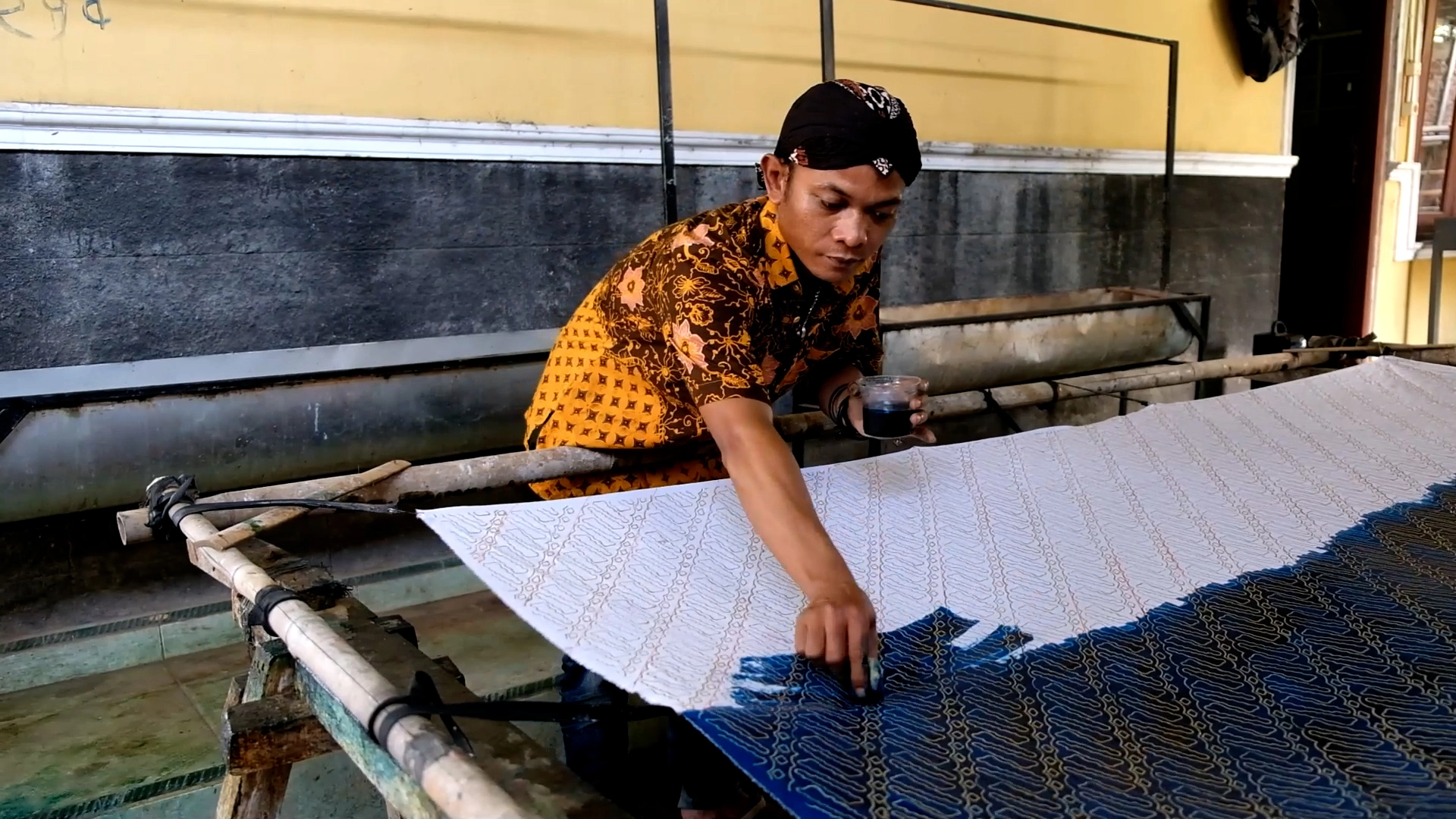
Maju Bersama PARANG NUSAKAMBANGAN (Program Pengembangan Menuju Kesejateraan Masyarakat dengan Kriya Batik yang Berwawasan Lingkungan) PT PLN Indonesia Power UBP Jateng 2 Adipala

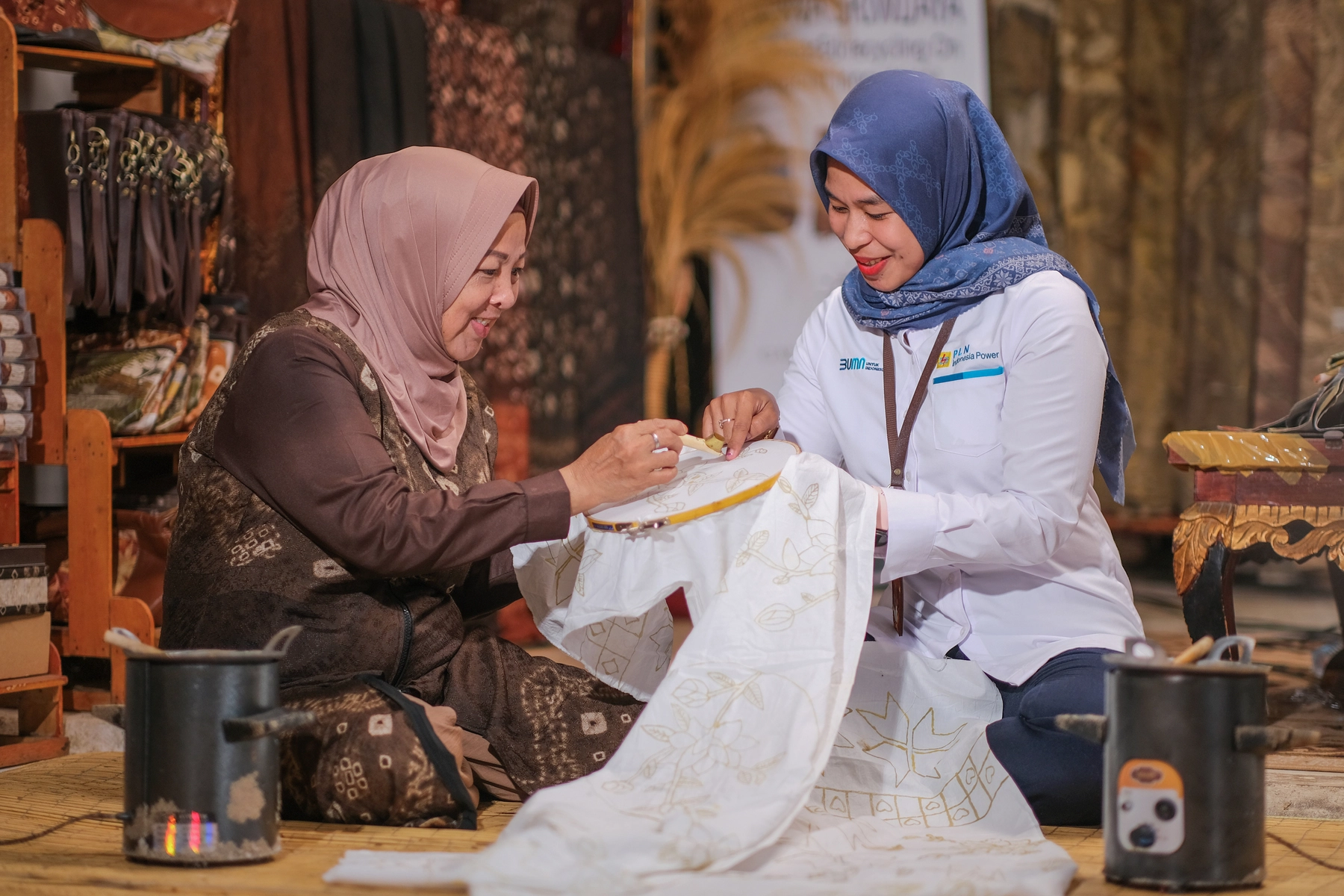
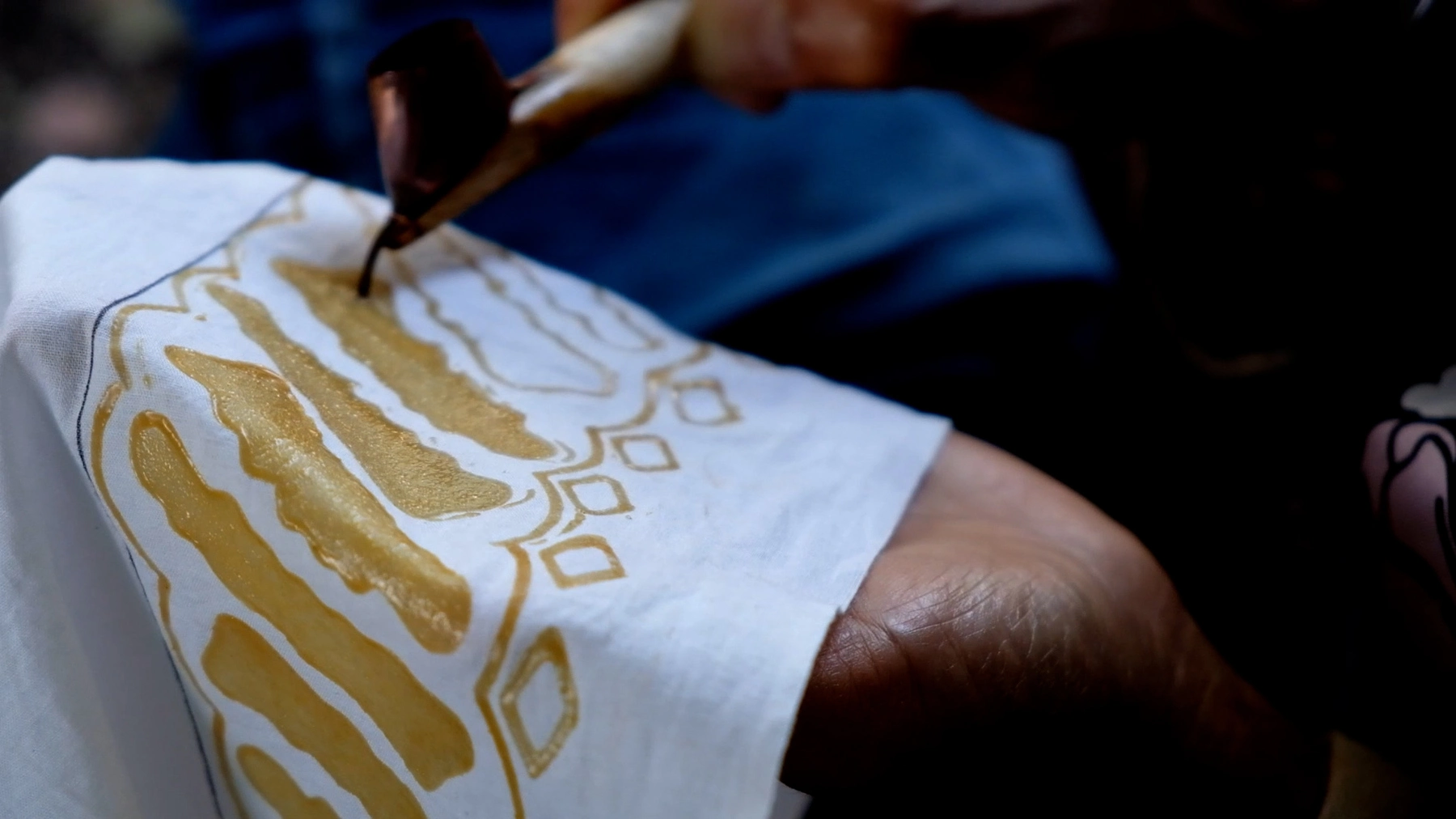
“Maju Bersama Parang Nusakambangan” is a community development initiative based on environmentally friendly batik craftsmanship. The program actively empowers vulnerable groups such as women without a fixed income, persons with disabilities, the elderly, and previously unemployed youth. Through participation in batik-making activities, members successfully increased their income from IDR 500,000 to IDR 2,000,000 per month. The Mini Demin innovation, serving as a wastewater treatment plant (WWTP), is able to treat 50% more batik liquid waste compared to the Subsurface Water Flow WWTP method. The program contributes to SDGs 1, 2, 5, 8, 12, and 15.

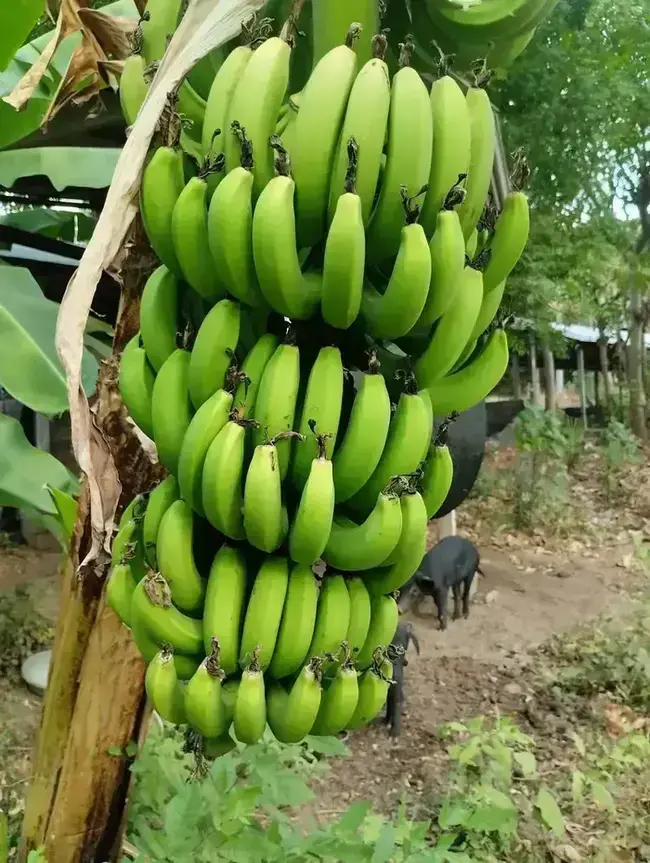
WANA KERTI (Berkawan Dengan Alam Kembangkan Ekonomi Masyarakat Desa Bukti) Melalui Kegiatan Banana Smart Village  (Desa Bukti, Kecamatan Kubutambahan, Kabupaten Buleleng, Provinsi Bali) PLTGU Pemaron
WANA KERTI (Berkawan Dengan Alam Kembangkan Ekonomi Masyarakat Desa Bukti) Melalui Kegiatan Banana Smart Village (Desa Bukti, Kecamatan Kubutambahan, Kabupaten Buleleng, Provinsi Bali) PLTGU Pemaron

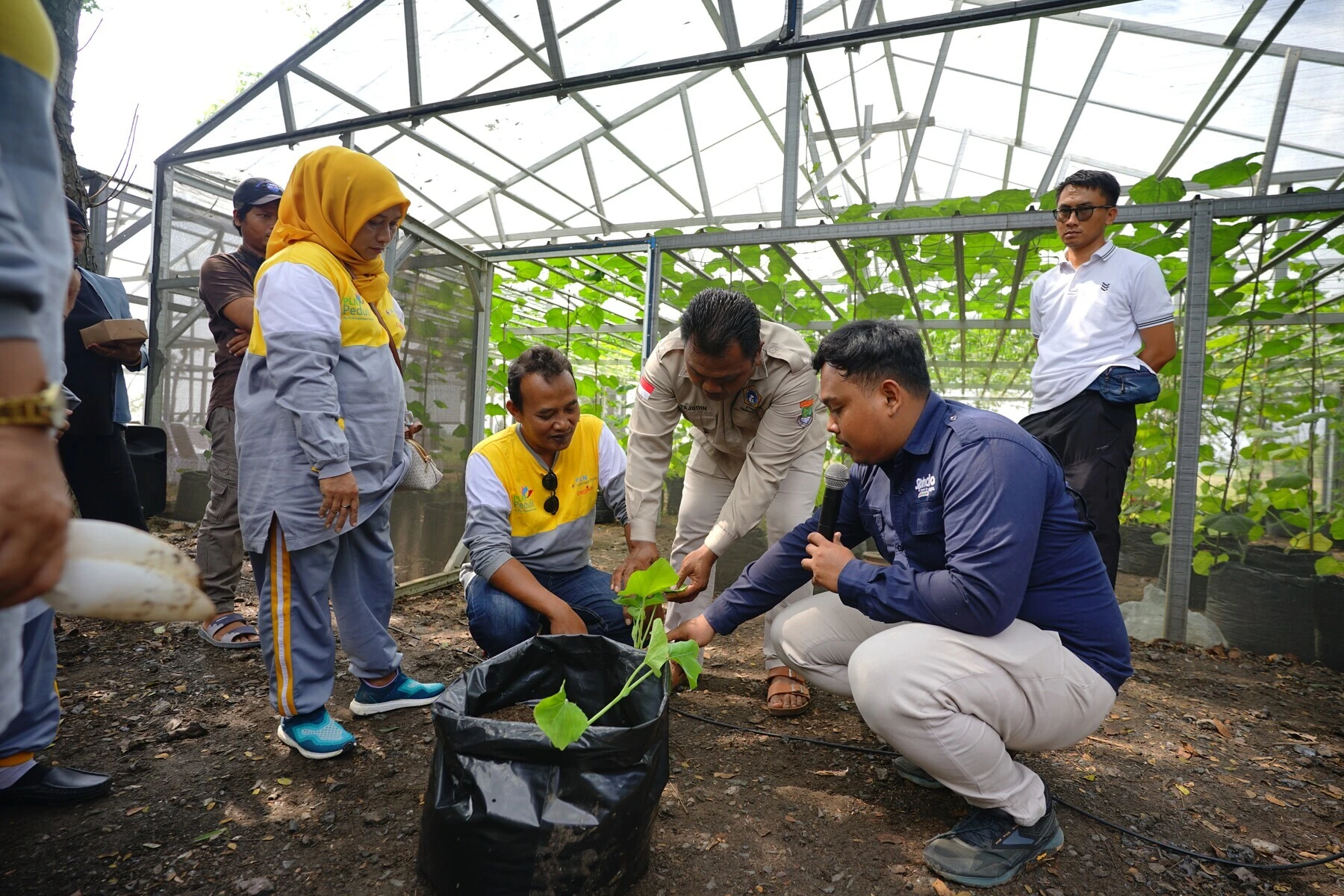
The Wana Kerti Program is a social initiative designed to empower the community of Bukti Village, particularly the Kerti Winangun Farmers Group (KTT) and the Sekar Sari Women Farmers Group (KWT), through a holistic approach that encompasses environmental, economic, and social aspects. The program aims to support the sustainability of the local community while contributing to the achievement of the Sustainable Development Goals (SDGs). The program has transformed dry and barren land into productive areas, and the Banana Smart Village initiative has resulted in CO₂ absorption of 357.5 tons CO₂/year. It has also provided economic benefits to the community through banana and banana-based product sales amounting to IDR 181,440,000 and biourine sales of IDR 29,366,000. Additionally, the program has successfully supported vulnerable groups, including 20 elderly people, 23 children, and 24 underprivileged individuals.

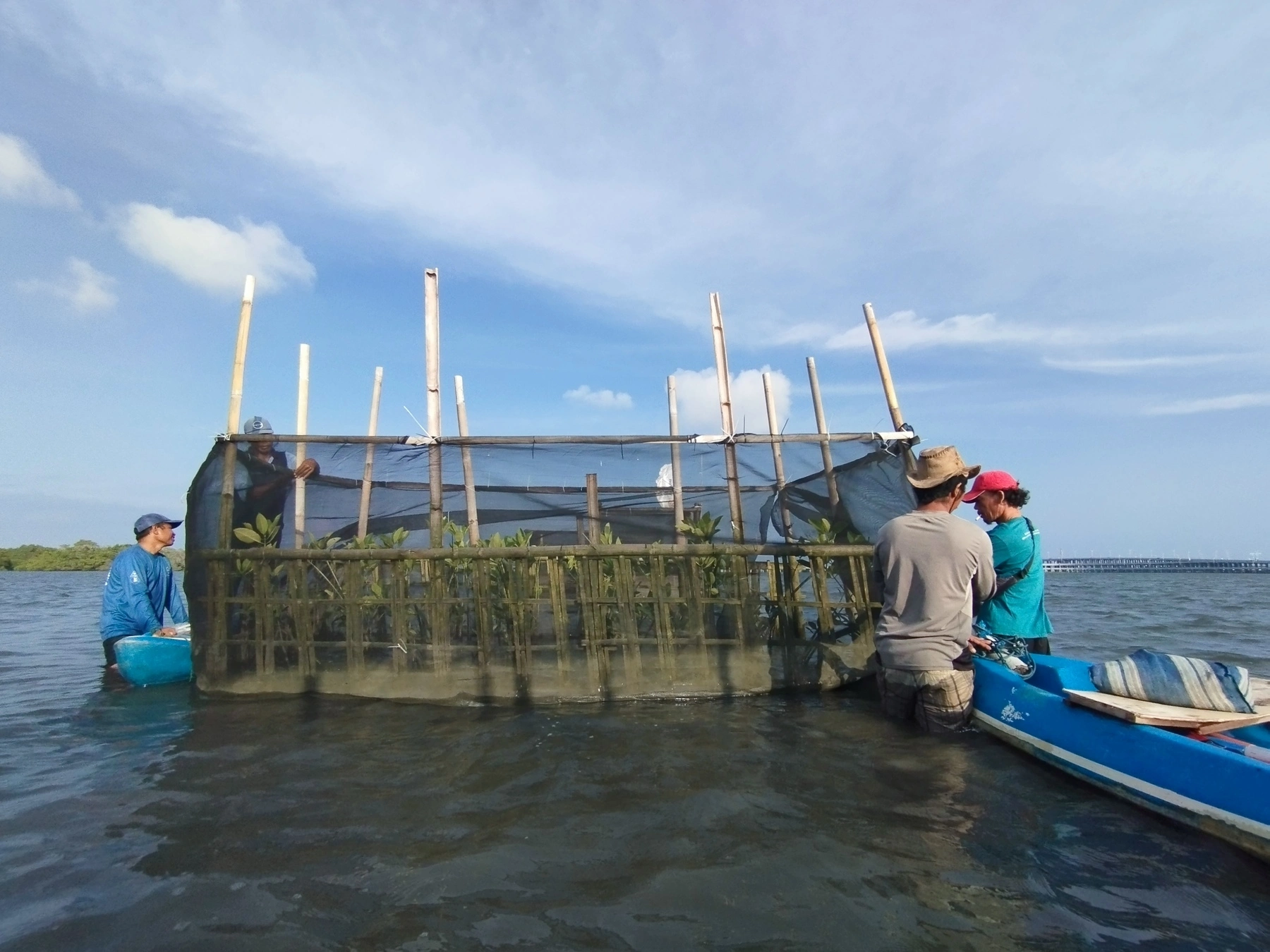
PROGRAM MELUKAT (Memuliakan Laut untuk Kesejahteraan Masyarakat) di Ekowisata Mangrove Batu Lumbang, Kota Denpasar, Provinsi Bali - PLTDG PESANGGARAN

Developing the Batu Lumbang Mangrove Ecotourism as a community-based mangrove resource center and the first digital-based resource center for managing inorganic waste in Bali Province. Through an interconnectivity scheme, this program targets coastal community groups and vulnerable groups that serve as partner beneficiaries of the CSR program. This program enhances the empowerment of coastal communities and preserves the mangrove and marine ecosystems through: the management of 60.25 tons of marine waste in 2024, the utilization of 0.0023 tons of plastic sachet waste, and the use of 0.03 tons of wooden pallet waste from company operational activities, with a waste collection incentive of IDR 1,460,000 per month. It contributes to SDGs 1, 8, 9, 13, 14, and 15

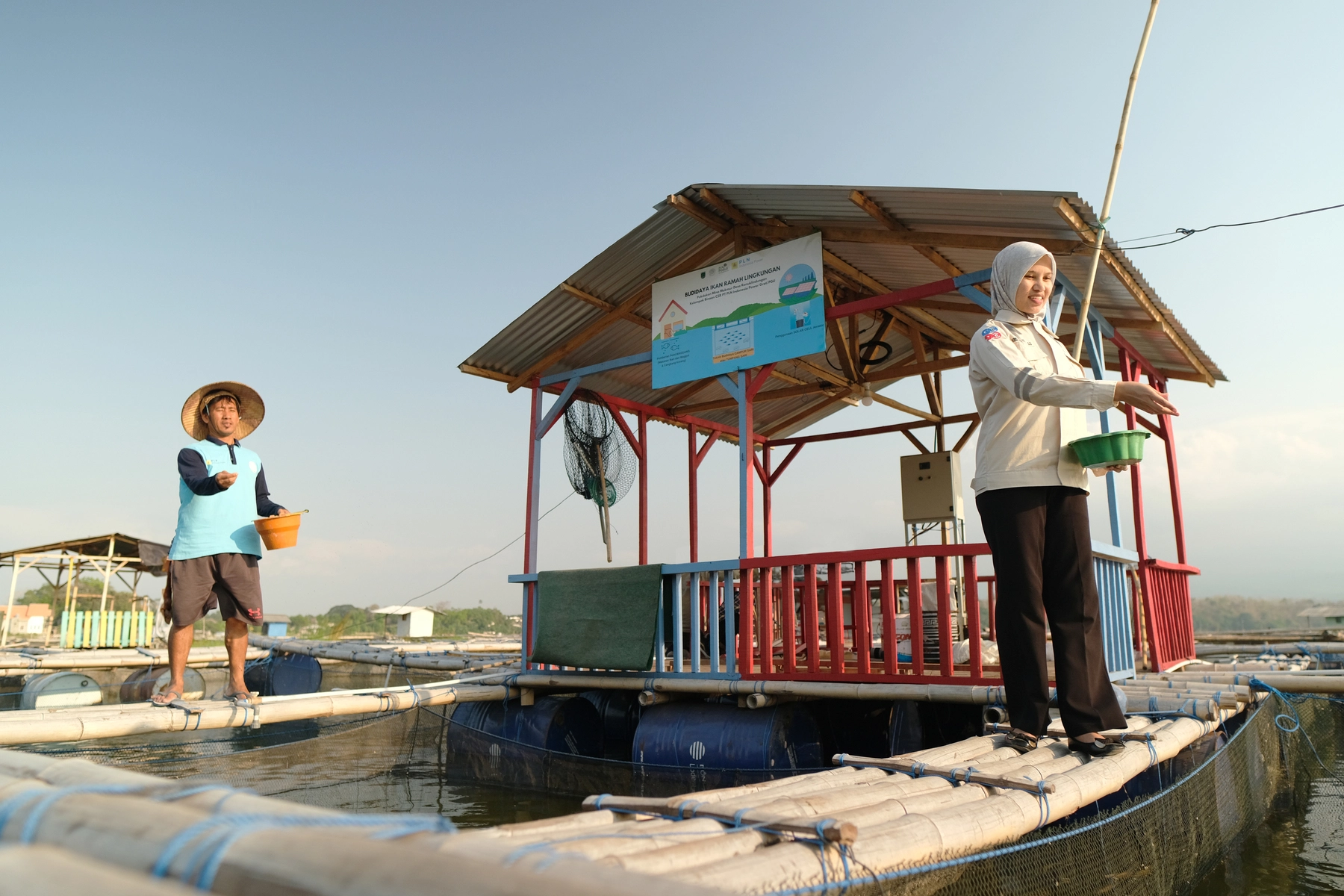
ANUGRAH PAKARTI  (Pelestarian Danau Ranu Grati Untuk Ketahanan Pangan dan Konservasi Hayati)  di Desa Ranuklindungan, Kabupaten Pasuruan  PT PLN Indonesia Power UBP Grati
ANUGRAH PAKARTI (Pelestarian Danau Ranu Grati Untuk Ketahanan Pangan dan Konservasi Hayati) di Desa Ranuklindungan, Kabupaten Pasuruan PT PLN Indonesia Power UBP Grati

The conservation efforts of Lake Ranu Grati are carried out through the development of environmentally friendly fish farming, waste management, and the promotion of organic farming around the lake. One of the implementations is the application of eco-enzymes, with a total of 2.2 tons distributed in 2024, which helps maintain BOD levels at < 6 mg/L

Palembang CINDO NIAN (Clean Batik Initiative for Indonesia, New Inspirative, Art and Nice) Kertapati, Kota Palembang, Sumatera Selatan PT PLN Indonesia Power UP Keramasan PLTGU Keramasan

The Palembang CINDO NIAN Program is a women’s and vulnerable group empowerment initiative that seeks to improve the economy through waste utilization without generating additional waste for the environment. It contributes 0.00019% to SDG No. 1, 86.32% to SDG No. 2, 0.69% to SDG No. 8, and 0.115% to SDG No. 12.

KORSA (Konservasi dan Rekonsiliasi Sistem Pertanian) di Desa Kaduengang, Kab. Pandeglang, Provinsi Banten PT PLN Indonesia Power UBP Banten 2 Labuan

The KORSA Program integrates land conservation efforts with social reconciliation, empowering communities through sustainable agriculture. The program focuses on developing environmentally friendly farming practices integrated with innovative waste management technologies. One of the innovations introduced is the Organic FABA Planting Media (METAFORA), with its uniqueness lying in the involvement of 16 former terrorist convicts (ex-inmates) as program promoters. The program contributes to SDGs 1, 3, 8, 10, 13, and 15

TEPIAN SALIRA BIRU (Integrated Plastic Management for Blue Economy)

Tepian Salira Biru is a plastic waste processing program that converts waste into electrical energy to be utilized by fishermen and the Salira Beach Tourism area, in line with the government’s Blue Economy program. The program contributes to reducing greenhouse gas emissions by 1.18 kg CO₂ eq/kWh or 1.88%, and decreasing photochemical oxidation by 7.01×10⁻¹³ kg C₂H₄ eq/kWh or 8.47%, through the management of organic and plastic waste. This program contributes to SDGs 1, 5, 11, 12, 13, 14, and 15.

HARVEST MOON (Harnessing Agriculture Resources via Versatile and Efficient Sustainable Technologies) Di Desa Lontar, Kab. Tangerang, Provinsi Banten. PT PLN Indonesia Power UBP Banten 3 Lontar.

The community empowerment program of Lontar Power Plant, carried out by vulnerable groups (the poor) through the Lontar Village Creative Team, is able to minimize the impacts of climate change anomalies by creating a sustainable agricultural ecosystem. This is achieved by utilizing available natural resources and agricultural technology as drivers of farming productivity, leading to the establishment of the Lontar Village Creative Team Sustainable Farming initiative as the program’s main goal. The program contributes to SDG Goals 1, 2, 6, 7, 13, and 15.

PERMATA TANI PULOSARI (PEMANFAATAN BIODIGESTER UNTUK MENDUKUNG OPTIMALISASI KUALITAS PERTANIAN DESA PULOSARI)

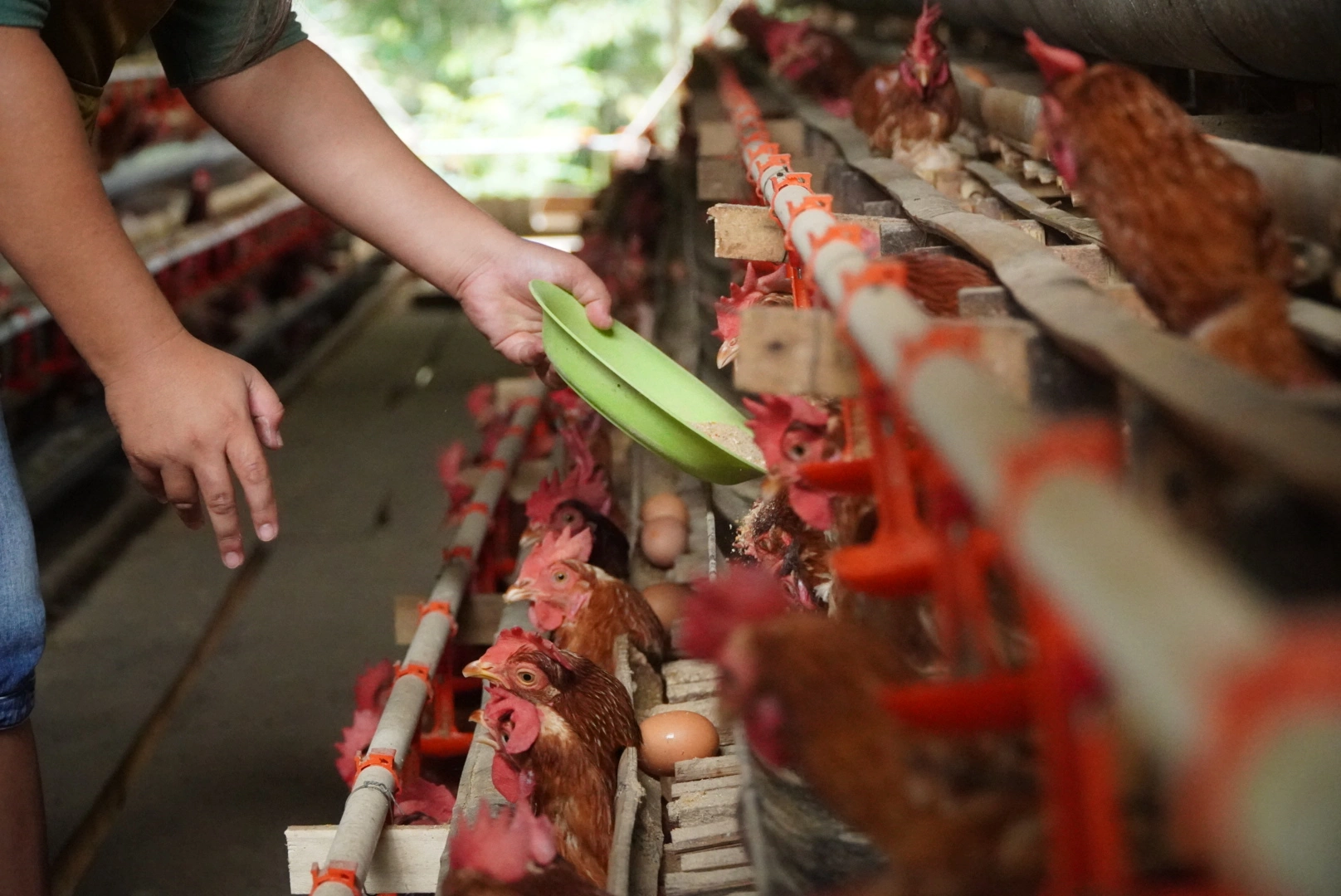
This community empowerment program integrates agriculture and livestock activities through a Nature-Based Solution approach. The program is divided into two sub-programs: Permaisury and Sarasehan. Permaisury focuses on optimizing agriculture by managing livestock waste into bioslurry and BIOS+, developing agricultural clinic services and the Raksamala Learning Center, as well as supporting livestock optimization through the production of alternative feed in the form of silage and sheep candy made from aren starch waste. Sarasehan aims to improve community health by strengthening the role of posyandu (integrated health service posts) in addressing stunting through cadre training activities, preparation of supplementary feeding packages, and the development of layer chicken farming to provide protein sources for stunted toddlers. This program supports the achievement of SDGs 1, 2, 3, 5, 6, 10, 11, 13, and 17, while also contributing to a reduction of Global Warming Potential by 7,709.7 kg CO₂ eq/year

BAGENDUNG ESENSI (Berdaya Bersama Dalam Mendukung Kampung Energi, Sehat dan Mandiri) PT PLN Indonesia Power UBP Suralaya

Bagendung Esensi is a community empowerment program that focuses on waste management and utilization to improve community well-being through Omah Sampah (Waste House), Omah Kreatif (Creative House), and Omah Sehat (Healthy House) initiatives. Meanwhile, JAMUS KALIMASADA represents the innovation theme for the sustainability of the Bagendung Esensi program as a solution to the issue of residual waste from BBJP (Refuse-Derived Fuel) and unmanaged multilayer plastic waste, implemented through a community empowerment scheme that creates a multiplier effect across social, economic, environmental, and welfare aspects. This innovation also serves as an effort for climate change mitigation and adaptation through sustainable waste management and utilization. Therefore, it can be concluded that this program makes a significant contribution to various Sustainable Development Goals (SDGs), particularly Goals 1, 3, 5, 7, 8, and 13.

SEKANCAN OGAN (Sinergi Ekonomi Kreatif dan Pangan Lokal Berbasis Limbah untuk Mitigasi di Kab. Ogan Ilir) Lokasi Budidaya Jamur Tiram Desa Payakabung Kec. Indralaya Utara Kab. Ogan Ilir)

The Sekancan Ogan Program integrates local wisdom, the creative economy, and food innovation to ensure the sustainability of oyster mushroom cultivation while also supporting efforts to reduce the severity of forest and land fires (KARHUTLA) in Ogan Ilir Regency. Adopting a ‘problem as opportunity’ perspective, the program provides schematic solutions to the challenges faced by cultivation groups while also delivering benefits to the environment and the wider community beyond the groups themselves. This is evidenced by the rebound in oyster mushroom harvest yields, the utilization of baglog waste processing products such as bio-oil for rubber and vegetable plantations, as well as the use of oyster mushroom-based processed products as nutritious food for toddlers through posyandu activities. The uniqueness of the Sekancan Ogan Program lies in its baglog waste processing method using the Pyrobag Duocooler with dual cooling technology and the application of IoT in the cooling system, which increases bio-oil yields, reduces TAR content, and minimizes emissions, thereby making the bio-oil processing more effective

TEMAN VINTER untuk KAMI BERSEMI (Waste Management, Enviromental Improvement, and Learning Center Untuk Kampung Inovatif, Bersih, Sejahtera, dan Mandiri) PT PLN Indonesia Power UBP Cilegon

The TEMAN VINTER for KAMI BERSEMI Program is the implementation of UBP Cilegon’s grand vision to actively engage in addressing various social, economic, and environmental challenges in its surrounding operational areas, particularly in response to the waste crisis faced by the people of Serang Regency in general, and especially within the company’s ring-1 area, following the closure of waste disposal access from Serang Regency to two landfills: Cilowong Landfill in Serang Regency and Bagendung Landfill in Cilegon City. This program contributes to reducing emissions by up to 824 tons of CO2 per year and prevents the release of 810.3 tons of methane per year by avoiding the open burning of 1,350.5 tons of waste annually. It also achieves carbon sequestration of 790.65 tons of CO2 through the planting of 3,350 mangrove seedlings. The program contributes to SDGs 1, 3, 4, 5, 8, 13, 15, and 17

KELASI EMAS (Keberlanjutan Program Ketapang Kuning Melalui Stimulasi Menju Generasi Emas) (RW 05 Kelurahan Warakas, Jakarta Utara) PLTGU Priok

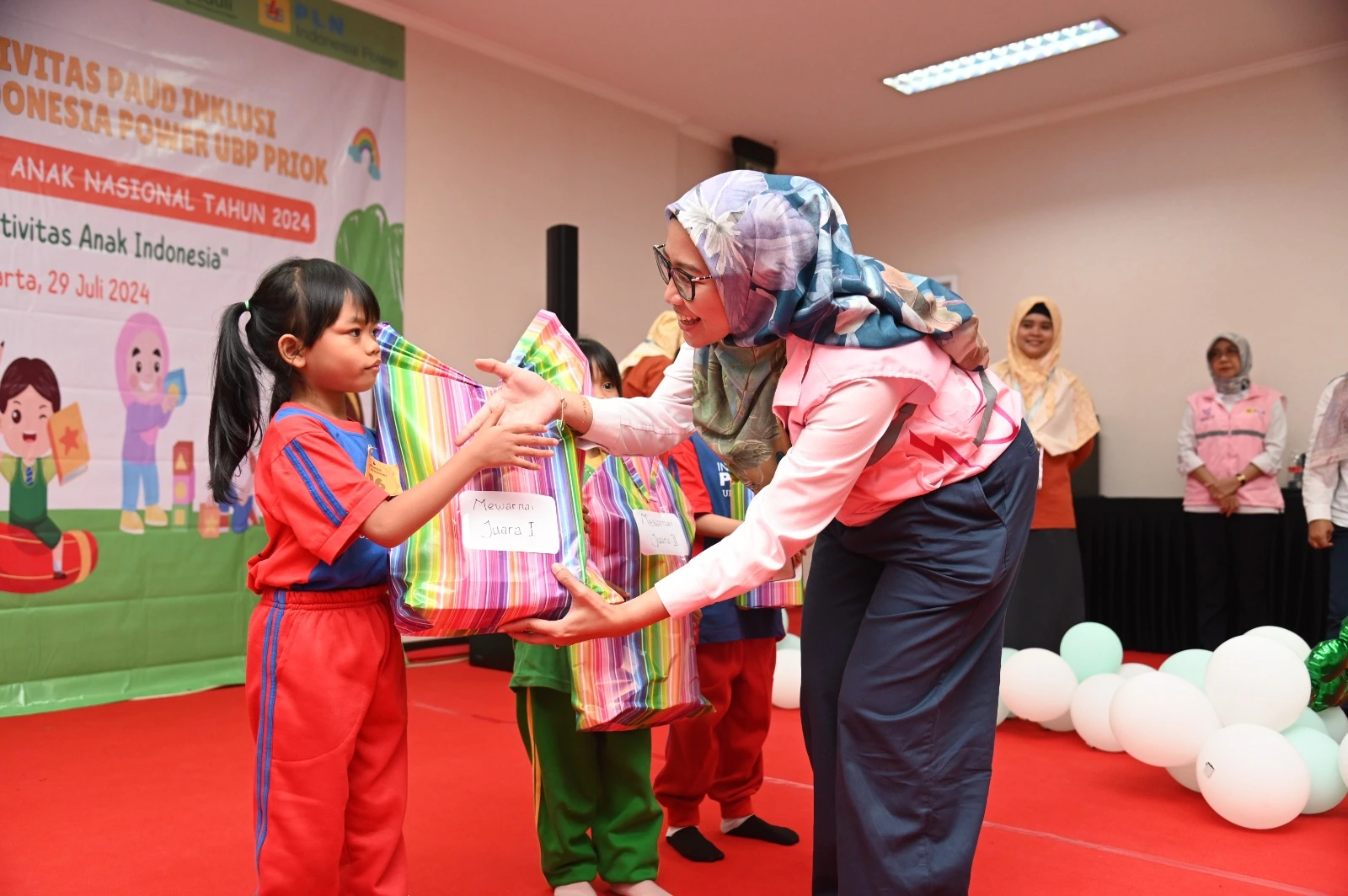
This Social Innovation Program is designed as a comprehensive step in addressing the issue of stunting within the community. The goal is to tackle stunting holistically by fulfilling nutritional needs and providing child stimulation to support cognitive development, while also preparing community groups for independence in maintaining the program’s sustainability. The program introduces an innovation in the form of waste-based Educational Teaching Aids, utilizing 220 kg of non-B3 waste and 15 kg of household waste, which contributes to an emission reduction of 1,018.18 kgCO2eq. These Educational Teaching Aids are used to stimulate the cognitive development of stunted children and contribute to SDG goals number 2, 3, and 5.

PERMADANI (Pemuda Mandiri Pengelola Sampah Pantai Loji) Desa Loji dan Desa Cidadap, Kecamatan Simpenan, Kabupaten Sukabumi PT PLN Indonesia Power UBP jabar 2 Pelabuhan Ratu

The Permadani Program in 2024 is a community development initiative aimed at strengthening local food security through sustainable coastal wood waste management. Under the innovation theme RAKA KREASI – Sustainable Agriculture Based on Local Wisdom and Innovation, drought conditions on 65 hectares of rainfed rice fields were addressed through Energi Cidadap – Village-Based Irrigation Technology Innovation. This irrigation innovation utilizes a hydram pump and a 100 m³ water reservoir, contributing to the irrigation of 40 hectares (61%) of rainfed rice fields. In addition, to restore the quality of degraded soil, an innovation called RAMU SWARA – People’s Self-Sufficient Fertilizer Formulation was introduced. This organic fertilizer formulation, made from sawdust, animal manure, and dolomite lime, is used to restore soil nutrient quality. The program also contributed to reducing coastal wood waste by converting 45 tons (52%) into sawdust. It contributes to SDGs 1, 2, 8, and 13.

[Bersama Membangun] Masyarakat dan Lingkungan

[Bersama Membangun] Masyarakat dan Lingkungan
[Bersama Membangun] Masyarakat dan Lingkungan
bg-environment.webp